Why a helicopter request may be declined.
Understanding scene acceptance decisions.
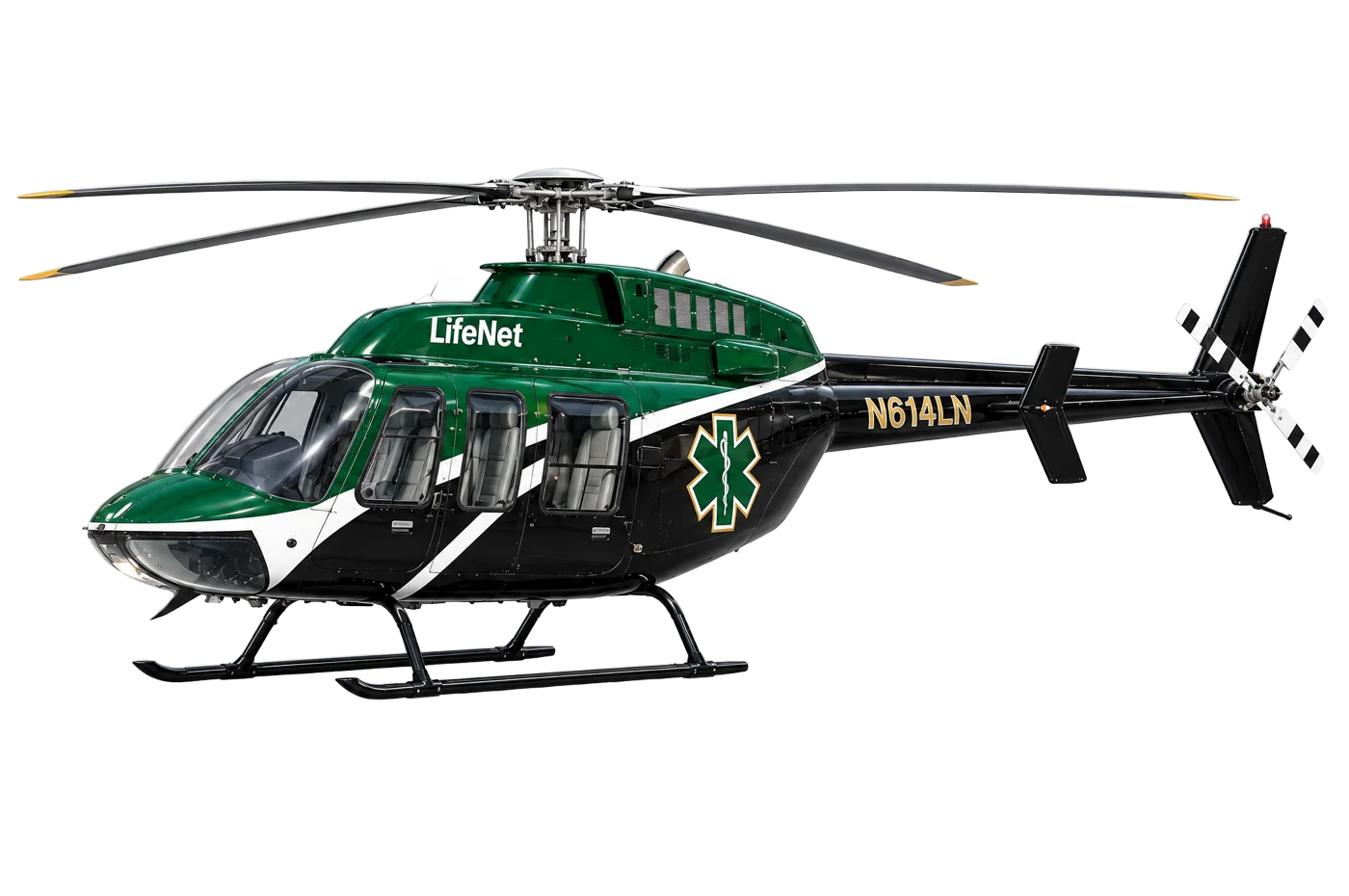
Calling for air medical transport is always appropriate when you believe the patient may benefit. Not every request can be completed safely.
A declined flight is based on safety, patient care and operational limits. It is never criticism of the requesting crew.
Safety limitations.
Helicopters operate under strict aviation regulations and risk assessment tools. A flight may be declined for:
- Weather below legal minimums: fog, low ceilings, storms, icing or high winds, at the scene and along the whole route.
- Night hazards or insufficient landing zone lighting.
- Obstacles in or near the landing zone: wires, poles, trees, debris.
- Confined or unsafe landing area.
- Pilot duty time or crew fatigue limits.
- Aircraft maintenance or mechanical status.
Operational factors.
Sometimes the aircraft cannot get there. Possible reasons:
- Already committed to another mission.
- Range or fuel limitations.
- Weight of the patient.
- Scene access not achievable from the air.
- Coordination delays that remove the time advantage.
If we cannot land safely, we cannot help safely.
- Requesting a helicopter is never wrong.
- Declining a flight is never punitive.
Both decisions are made for one purpose:The safest and best outcome for the patient and the crews.
For a medical emergency, call 911. Availability depends on clinical needs, weather and operational conditions. Aircraft image is a digitally generated illustration.